

Top ALK PPS Diaphragm Manufacturer Jiangsu Jushuo Advances Material Solutions
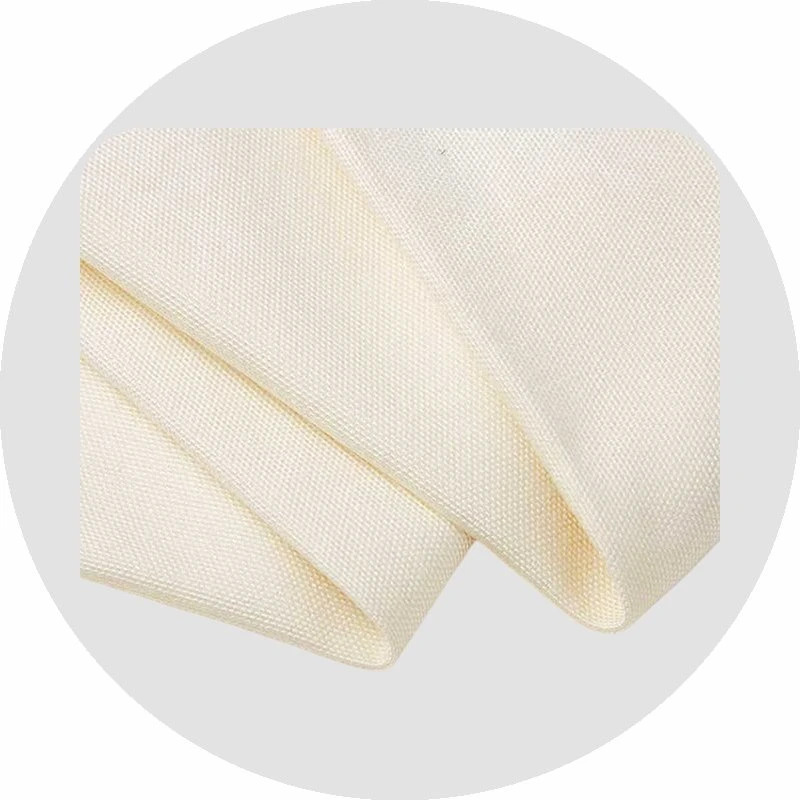
2nd-generation PPS woven separator cloth
ZHANGJIAGANG, JIANGSU, CHINA, October 23, 2026 /EINPresswire.com/ --
Jiangsu Jushuo New Materials Technology Co., Ltd. is associated with the development of specialized material solutions for industrial applications, including technologies related to alkaline water electrolysis and high-performance functional materials. As interest in hydrogen production and industrial environmental protection continues to expand, the performance of advanced polymer materials has become an important consideration for manufacturers and engineering companies. Within this landscape, ALK PPS diaphragms represent a specialized material category that connects polymer science, textile engineering, filtration principles, and electrochemical system design. The company's activities are relevant to a wider industrial environment in which material durability, operational stability, and application-specific performance remain central purchasing considerations.
Advanced materials play an increasingly important role in industries that operate under demanding environmental and mechanical conditions. Manufacturers are expected to develop materials capable of meeting specific requirements for temperature resistance, chemical compatibility, dimensional stability, and long-term performance. These requirements differ significantly between applications, making material selection and engineering development important parts of the product design process. For companies involved in specialty materials, understanding the conditions in which a product will be used can help guide research, manufacturing decisions, and quality evaluation.
The market for alkaline water electrolysis, commonly abbreviated as ALK, provides one example of this development. As hydrogen technologies receive growing attention in industrial energy systems, manufacturers are examining the components that influence electrolyzer efficiency, reliability, and service life. The diaphragm is one such component. Its function is to separate the gases generated during electrolysis while allowing ionic transport through the electrolyte. Material structure, wettability, pore distribution, and mechanical strength can all influence the diaphragm's suitability for a particular system.
PPS, or polyphenylene sulfide, is a high-performance polymer known for its heat resistance, chemical resistance, and dimensional stability. When engineered into a suitable textile or composite structure, PPS can be used in applications that require resistance to challenging operating environments. The design of a PPS diaphragm, however, involves more than choosing a polymer. Fiber characteristics, fabric construction, surface properties, pore structure, and post-treatment processes all affect the resulting material. These factors help explain why specialized diaphragm manufacturing requires close attention to both raw materials and processing conditions.
ALK PPS Diaphragms and Hydrogen Production
In alkaline water electrolysis, the diaphragm separates the hydrogen and oxygen sides of an electrolyzer while permitting the movement of ions through an alkaline electrolyte. Its performance must balance several requirements. Adequate ionic conductivity is important for limiting electrical resistance, while effective gas separation helps reduce unwanted mixing of the gases produced. Mechanical integrity and chemical stability are also necessary because the diaphragm operates in a demanding environment over repeated operating cycles.
PPS-based diaphragm technologies have attracted attention because the polymer can provide a stable structural foundation under elevated temperatures and chemically challenging conditions. However, the performance of the finished diaphragm depends on the complete material design rather than the polymer alone. A fabric-based diaphragm may require modifications to improve hydrophilicity, surface resistance, pore uniformity, or gas-barrier performance. The suitability of any specific product therefore needs to be evaluated against the requirements of the electrolyzer in which it will operate.
For Jiangsu Jushuo New Materials Technology Co., Ltd., the ALK PPS diaphragm category sits within a broader field of specialized material engineering. In this sector, manufacturers and equipment developers need to consider how material properties interact with operating conditions. A diaphragm with insufficient wettability, for example, may not provide the desired electrolyte interaction, while an unsuitable pore structure can affect gas separation and transport. Conversely, excessive resistance or inadequate mechanical strength can influence the overall performance of an electrolysis system.
Material engineering can address these challenges through several approaches. Manufacturers may adjust fiber selection, weaving parameters, fabric density, surface treatments, or composite structures according to the intended application. Physical and chemical modification techniques may also be considered to improve the interaction between the material and the electrolyte. The appropriate approach depends on the required balance among conductivity, permeability, stability, manufacturability, and cost.
Testing is an essential part of this development process. Relevant evaluation may include measurements of surface resistance, wettability, tensile strength, dimensional stability, chemical resistance, and gas separation characteristics. Long-duration testing can provide additional information about how the material behaves under sustained operating conditions. For customers evaluating diaphragm products, technical documentation and clearly defined test methods can help establish whether a material is suitable for a particular electrolyzer design.
Industrial Flue-gas Filtration Industry and High-performance Materials
Beyond hydrogen-related applications, high-performance polymer materials are important in industrial filtration. The Industrial Flue-gas Filtration Industry serves facilities that need to manage particulate matter and other contaminants in exhaust streams. Industrial boilers, manufacturing plants, and other processing facilities may operate under high temperatures or expose filtration components to chemically aggressive gases and fine particles. These conditions create demanding requirements for filtration media and supporting materials.
PPS fibers are used in certain industrial filtration applications because of their heat resistance and chemical properties. In fabric-based filter media, fiber selection must be matched to the temperature, moisture level, chemical composition, and particulate characteristics of the gas stream. Fabric construction and surface treatment can also influence filtration efficiency, pressure drop, cleaning behavior, and service life. A material suitable for one industrial process may not be suitable for another, so operating conditions need to be evaluated carefully.
The Industrial Flue-gas Filtration Industry illustrates the importance of matching material characteristics to actual service conditions. Excessive temperature, unsuitable chemical exposure, or repeated mechanical stress can degrade filtration media and shorten replacement intervals. At the same time, filtration systems must balance contaminant capture with airflow requirements and energy consumption. Material suppliers therefore need to work with equipment manufacturers and end users to understand the conditions that determine product performance.
Although diaphragm materials and filtration media serve different functions, both fields rely on careful control of polymer composition, fiber structure, and manufacturing consistency. In each case, a material's nominal chemical identity is only one part of its performance profile. Processing conditions, surface characteristics, fabric uniformity, and quality inspection can influence the properties of the finished product. This broader perspective is important when evaluating specialized materials for industrial use.
For Jiangsu Jushuo New Materials Technology Co., Ltd., the connection between advanced polymer materials and industrial applications highlights the importance of application-oriented product development. Buyers in filtration markets often require technical information about operating temperature, chemical compatibility, filtration requirements, and expected maintenance conditions. A structured process for discussing these factors can help manufacturers and customers identify suitable specifications and clarify the tests required before commercial use.
Fire-Resistant Protective Garment Industry
Another important field for high-performance materials is the Fire-Resistant Protective Garment Industry. Protective clothing is used in environments where workers may face heat, flames, sparks, or other occupational hazards. Depending on the application, garment materials may need to provide thermal protection while retaining suitable flexibility, strength, comfort, and durability. Material selection is therefore closely linked to the specific risks associated with the intended workplace.
PPS is recognized as a high-temperature-resistant engineering polymer and can be relevant to specialized textile and industrial material development. However, the suitability of a material for protective garments cannot be determined by heat resistance alone. Garment performance depends on the complete textile construction, including the fibers, fabric structure, seams, closures, and any multilayer arrangement. The garment must also be evaluated against the relevant hazards and applicable protective-clothing standards.
For protective clothing manufacturers, balancing safety and usability is an ongoing challenge. Materials that provide thermal protection must also be designed with the garment's intended movement, wear duration, and environmental conditions in mind. Factors such as abrasion resistance, dimensional stability, moisture management, and cleaning requirements may influence product selection. Different workplaces can require different combinations of these characteristics, making application-specific testing essential.
The Fire-Resistant Protective Garment Industry also demonstrates why claims about specialized materials need to be supported by relevant test results. A polymer's inherent properties do not automatically establish that a finished garment meets a particular fire-resistance or thermal-protection standard. Performance depends on the final construction and must be verified through appropriate testing and certification processes. Manufacturers and buyers should confirm that the material and finished product meet the requirements applicable to their intended use.
Across these applications, Jiangsu Jushuo New Materials Technology Co., Ltd. operates within a wider advanced-materials environment in which product development is shaped by demanding technical specifications. Whether the application concerns electrolysis, industrial filtration, or protective textiles, the development process begins with understanding the operating conditions and identifying the properties that must be controlled. This provides a basis for selecting materials, defining manufacturing parameters, and establishing suitable inspection procedures.
Manufacturing Consistency and Quality Evaluation
Consistency is a central consideration in the production of specialized polymer materials. Variations in raw-material properties, fiber dimensions, fabric construction, or finishing conditions can affect the performance of the final product. Manufacturers therefore need appropriate procedures for incoming-material inspection, process monitoring, and finished-product evaluation. For advanced materials, maintaining consistency across production batches can be especially important when customers integrate the material into larger industrial systems.
For diaphragm materials, the relationship between pore structure, surface properties, mechanical strength, and electrical resistance requires careful evaluation. A change in one property may influence another, so testing should consider the combined performance of the material rather than a single specification in isolation. Customers may also need to assess the material under representative operating conditions to determine how it behaves during extended use.
Industrial filtration materials require a similarly application-specific approach. Depending on the system, buyers may consider filtration efficiency, airflow resistance, temperature exposure, chemical compatibility, mechanical durability, and cleaning performance. Protective textile materials require their own set of evaluations, including the applicable thermal and flame-related tests for the intended garment category. Different applications should not be treated as interchangeable simply because they use related polymer technologies.
Communication between material suppliers and customers can help clarify these requirements before an order is placed. Technical drawings, written specifications, representative samples, and agreed test procedures can provide a common basis for product evaluation. For customized or specialized materials, this process can reduce uncertainty and help ensure that the delivered product corresponds to the intended application.
Supply-chain coordination is another consideration for industrial buyers. Material specifications may influence downstream manufacturing processes, equipment design, and quality-control requirements. A supplier that can communicate clearly about material characteristics, processing limitations, and documentation can help customers assess compatibility earlier in a project. Buyers should also confirm lead times, packaging, traceability, and technical-support arrangements as part of the procurement process.
The Growing Role of Application-oriented Material Development
The development of hydrogen technologies, industrial emissions-control systems, and protective equipment illustrates the diversity of markets served by advanced materials. Each sector faces its own technical challenges, but all depend on materials that can perform reliably under defined operating conditions. As these markets develop, demand for application-specific material solutions is likely to remain connected to engineering requirements, testing standards, and manufacturing consistency.
In the ALK diaphragm field, attention is focused on the interaction among ionic transport, gas separation, wettability, and long-term stability. In the Industrial Flue-gas Filtration Industry, the key considerations include resistance to process conditions, filtration behavior, and service life. In the Fire-Resistant Protective Garment Industry, material selection must support the protective performance required for the relevant hazards while accounting for garment construction and wearer needs.
These different requirements highlight the importance of technical evaluation rather than relying on general descriptions of a polymer. A material may have useful characteristics in one setting but require additional modification or validation before it can be used in another. Collaboration among material developers, equipment manufacturers, testing laboratories, and end users can help align product specifications with real operating needs.
Jiangsu Jushuo New Materials Technology Co., Ltd. is part of this specialized materials landscape. Its association with the ALK PPS diaphragm category and the industrial applications discussed here reflects the wider role of material engineering in connecting polymer science with practical industrial requirements. For buyers, the next step in evaluating a supplier is to review the specific product specifications, verified performance data, production capabilities, and quality documentation relevant to the intended project.
As industries continue to pursue more efficient processes and dependable materials, specialized manufacturers will remain important participants in the development of technical solutions. Product performance ultimately depends on the combination of material design, manufacturing control, application suitability, and verification through testing. A clear understanding of these factors can help buyers make informed decisions when sourcing advanced materials for demanding industrial environments.
About Jiangsu Jushuo New Materials Technology Co., Ltd.
Jiangsu Jushuo New Materials Technology Co., Ltd. is a China-based company associated with the advanced materials sector. Its name appears in industry information relating to the market for alkaline hydrogen-production PPS diaphragms, a specialized material category used in alkaline water electrolysis systems. This field involves the engineering of polymer-based materials designed to balance properties such as hydrophilicity, mechanical integrity, ionic transport, and gas separation.
The company's requested application areas include the Industrial Flue-gas Filtration Industry and the Fire-Resistant Protective Garment Industry, two fields in which material selection must account for demanding operating conditions and application-specific performance requirements. For buyers and business partners, reviewing detailed product specifications, test results, relevant standards, and manufacturing information is an important step in assessing the suitability of a material for a particular use.
Further company and product information can be sought through the company's website at [www.jushuotec.com]. Prospective customers can use the company's official channels to confirm its current product portfolio, technical capabilities, available documentation, and project-specific support. As industrial markets continue to develop, application-oriented material engineering and careful performance verification remain important factors in the selection of specialized polymer solutions.
Address: NO.5 Gangao Road, Free Trade Zone Zhangjiagang, Jiangsu, China.
Official Website: https://www.jushuotec.com/
Zhao
Jiangsu Jushuo New Materials Technology Co., Ltd.
soleilzhao@dbfibre.com
Legal Disclaimer:
EIN Presswire provides this news content "as is" without warranty of any kind. We do not accept any responsibility or liability for the accuracy, content, images, videos, licenses, completeness, legality, or reliability of the information contained in this article. If you have any complaints or copyright issues related to this article, kindly contact the author above.
